
CASE STUDYDistrict develops flexible AI guidelines for a rapidly evolving technology
SAN DIEGO – Over the past few years, Julie Garcia had watched as AI tools increasingly found their way into classrooms and student devices. As Senior Director of Future-Ready Learning for the San Diego Unified School District (SDUSD), she faced a choice: wait for the perfect plan to emerge, or take a step into uncharted territory.
Garcia and her colleagues chose action over perfection.
"We knew we couldn't wait for the perfect plan — AI evolves too quickly," she recounted. "Our goal wasn't to control AI but to understand it together, build responsible guardrails, and empower our schools to adapt with intention."
That philosophy set the stage for an ambitious effort that brought together San Diego teachers, administrators, students, parents, and even personnel from other district departments like nursing, transportation, and construction to grapple with one of education's most pressing questions: How should schools approach AI in the classroom?
A task force takes shape
The catalyst came from two directions at once. Students were already using AI tools, often without guidance, while teachers and school leaders increasingly requested clear direction on what was permissible and what was practical.
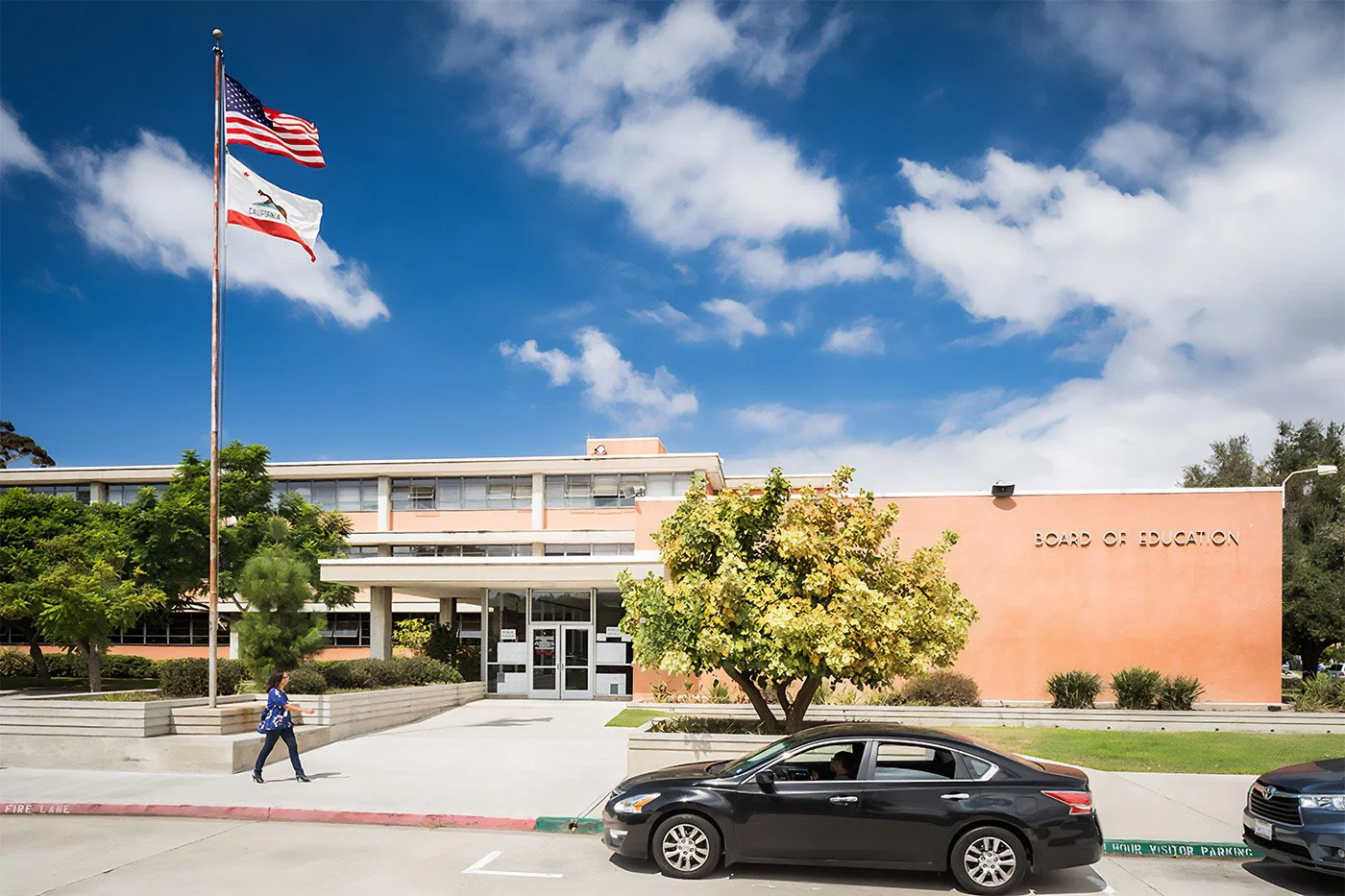
As California's second-largest school district serving more than 103,000 students across 226 educational facilities, SDUSD knew they had a duty to act.
The district partnered with the AI Education Project (aiEDU) to develop a plan for creating and leading their own AI task force. The workgroup was intentionally designed to cast a wide net, drawing members from across grade levels and district operations. They set their mission to build a unified foundation for ethical and informed AI use that would enhance learning, promote equity, and prepare students for a digital future.
But the path to get there would require more than top-down directives.
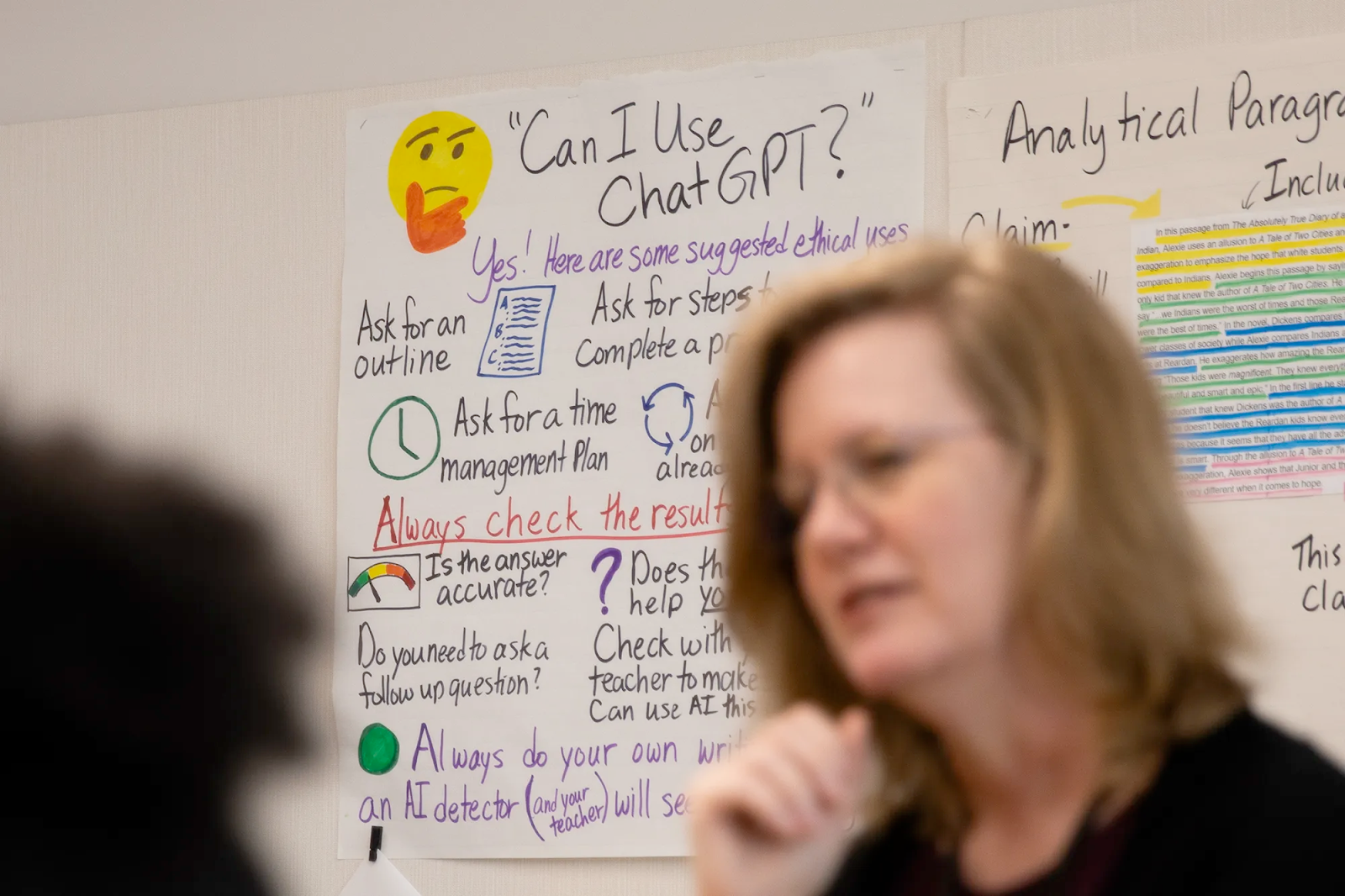
aiEDU’s approach: Building understanding before building rules
Once the task force was plotted out, aiEDU continued to provide key insight and material support for district officials to navigate the issue in a well-informed manner.
At the first task force meeting in November 2024, aiEDU established common ground by teaching members about AI literacy and why consistent guidelines mattered. District leaders examined aiEDU’s past work with Ohio's AI Toolkit, the Los Angeles Unified School District, and Prince George's County in Maryland as models for crafting their own mission statement.
By the second meeting in December, the real work began. The task force split into several subgroups focused on forming guidelines for specific audiences — one for students, another for educators, and so on. aiEDU helped the groups coalesce around collective objectives by mapping their purpose back to SDUSD’s values. From there, the task force drafted their recommendations for AI guidelines using a structured template developed by aiEDU.
Throughout the process, SDUSD leveraged its existing infrastructure rather than building new bureaucratic machinery. The district used Canvas, its learning management system, as a central hub for collaboration and resources. It tapped its existing one-on-one ambassador program to recruit student members and relied on established communication channels to reach staff and families.
In January 2025, the district went a step further by giving teachers on the task force a full release day where aiEDU led professional training sessions to deepen their AI knowledge. Later that month, SDUSD hosted a community town hall to explain generative AI to parents and outline the task force's mission in creating guidelines for students, teachers, and administrators.
From proposals to policy
After multiple working sessions, the subgroups had completed their guideline templates. In March 2025, the full task force reconvened for a final meeting where each group presented their work. Using a feedback protocol, members reviewed and refined their draft guidelines collectively.
The result was a district-wide comprehensive set of rules for AI usage, written as guidelines rather than rigid policies. That distinction matters in a field where today's breakthrough becomes tomorrow's old news.
SDUSD’s guidelines are designed to be adaptable, which allows individual schools to customize implementation based on their unique needs, tools, and cultures. After review by senior leadership, they will be presented to the superintendent and Board of Education for feedback. Currently, leadership is working to develop a complementary Board policy. Once approved, the guidelines and Board policy will be implemented for the 2026-27 school year.
In January 2025, the district went a step further by giving teachers on the task force a full release day where aiEDU led professional training sessions to deepen their AI knowledge.

Lessons for other school districts
SDUSD's experience offers a roadmap for other school systems who are wrestling with similar questions about AI. The district's advice to peers centers on three principles:
Involve stakeholders from across the organization, not just instructional staff. Perspectives from operations, facilities, and other departments enrich the conversation and ensure guidelines reflect the full scope of district operations.
Start now with whatever structures already exist. Speed matters when technology moves this fast, and districts don't need to build new frameworks from scratch.
Consider guidelines instead of policies. Policies risk becoming obsolete in a rapidly changing field, while guidelines offer flexibility and room for schools to adapt as AI continues to evolve.
This approach reflects a fundamental shift in how school systems might engage with technology — not as something to be tightly controlled from above, but as something to be thoughtfully guided with input from those closest to the classroom.
For San Diego Unified, the work continues. Their guidelines represent not an endpoint but a foundation built on the recognition that preparing students for an AI-driven world requires educators who also understand that world themselves.
In a district serving more than 100,000 students, perfect answers may remain elusive. Nevertheless, by choosing collaboration over caution and adaptability over absolute certainty, SDUSD has charted a course that other districts can follow.
Browse By Section
01020304050607080910