

06 CASE STUDY: aiEDU PROGRAMSThree years of systemic, educator-centered change in Ohio
For more than three years, aiEDU has been deeply engaged in Ohio with a clear goal: Help the state move beyond short-term responses to AI and toward a durable, system-wide vision of AI readiness.
This work reflects aiEDU’s Define, Deliver, Catalyze strategy in action:
Define what AI readiness actually means for students, educators, and school systems.
Deliver practical tools and learning experiences to make that vision actionable.
Catalyze broader change by embedding that work into state and regional structures that can sustain it over time.
Ohio offered a strong environment for this approach. The state’s innovation agenda, its robust network of Educational Service Centers (ESCs), and a shared focus on workforce alignment created fertile ground for coordinated change across policy, practice, and professional learning.

aiEDU’s defining work in Ohio established a shared foundation across state agencies and partners that would later enable districts to act with confidence rather than uncertainty.
Defining AI readiness at the state level
Our work in Ohio began by helping define a shared understanding of AI readiness at the state level.
Through a collaboration with InnovateOhio, aiEDU co-developed an AI Toolkit specifically crafted for an audience of educators. Our goal in creating the toolkit was to offer practical, classroom-informed resources to school districts and ensure that statewide AI efforts reflected teaching and learning realities, student protection, and educator professionalism.
Rather than centering on tools, this phase focused on definitions. What competencies should students develop in an AI-influenced world? What responsibilities do systems have to support educators navigating these changes? By grounding state innovation efforts in classroom realities, aiEDU helped Ohio articulate a vision of AI readiness that could guide subsequent policy and implementation decisions.
aiEDU’s defining work in Ohio established a shared foundation across state agencies and partners that would later enable districts to act with confidence rather than uncertainty.
That foundation proved especially important as Ohio moved to formalize expectations around AI in schools. As part of the state’s 2025–26 budget, Ohio passed legislation requiring all K–12 public school districts, community schools, and STEM schools to adopt formal AI policies by July 1, 2026. The new law directs the Ohio Department of Education & Workforce to develop a model AI policy and allows districts to adopt either the state model or a locally developed policy aligned to it.
Our educator-centered AI Toolkit helped lay critical groundwork for this moment by offering districts early access to practical AI frameworks, shared language, and policy considerations that closely mirror the intent of the legislation.
Delivering practical policy support through ESCs
A cornerstone of aiEDU’s Deliver strategy in Ohio has been its partnership with the Ohio Educational Service Center Association (OESCA). After recognizing that districts needed more than high-level guidance, we worked with OESCA to develop the Ohio AI Policy Development Toolkit as a practical resource to help districts create thoughtful, education-centered AI policies.
This second toolkit provided administrators with clear considerations around instructional AI use, data privacy, academic integrity, and educator roles while still allowing flexibility for local context. Most importantly, aiEDU did not stop at just publishing a resource — we co-hosted 27 trainings alongside OESCA across the state with district administrators and leaders connected to every district in Ohio through the ESC network. These sessions were designed to equip administrators not just with documents, but with the understanding and confidence to lead AI policy conversations in their own communities.
By delivering both the toolkit and the accompanying training, aiEDU ensured that policy development was paired with capacity building to bring our shared proposals to life. With our direct support, district leaders were able to anticipate challenges and align AI policies with their own classroom goals rather than treating them as compliance exercises.


Catalyzing workforce-aligned investment in educators
aiEDU’s work in Ohio has focused on catalyzing change by aligning AI readiness with existing state workforce strategies.
We worked in collaboration with the Lieutenant Governor’s office to explore ways that the state’s TechCred upskilling credential reimbursement program could be leveraged to support AI-related professional learning for educators. This work reinforced a critical message: Teachers are central to Ohio’s future workforce strategy, and their professional learning deserves the same structural investment as other high-demand sectors.
By aligning AI readiness with TechCred, Ohio began moving AI training for educators from pilot programs toward dedicated funding pathways. As a result, AI readiness has become part of the state’s long-term economic and talent strategy.
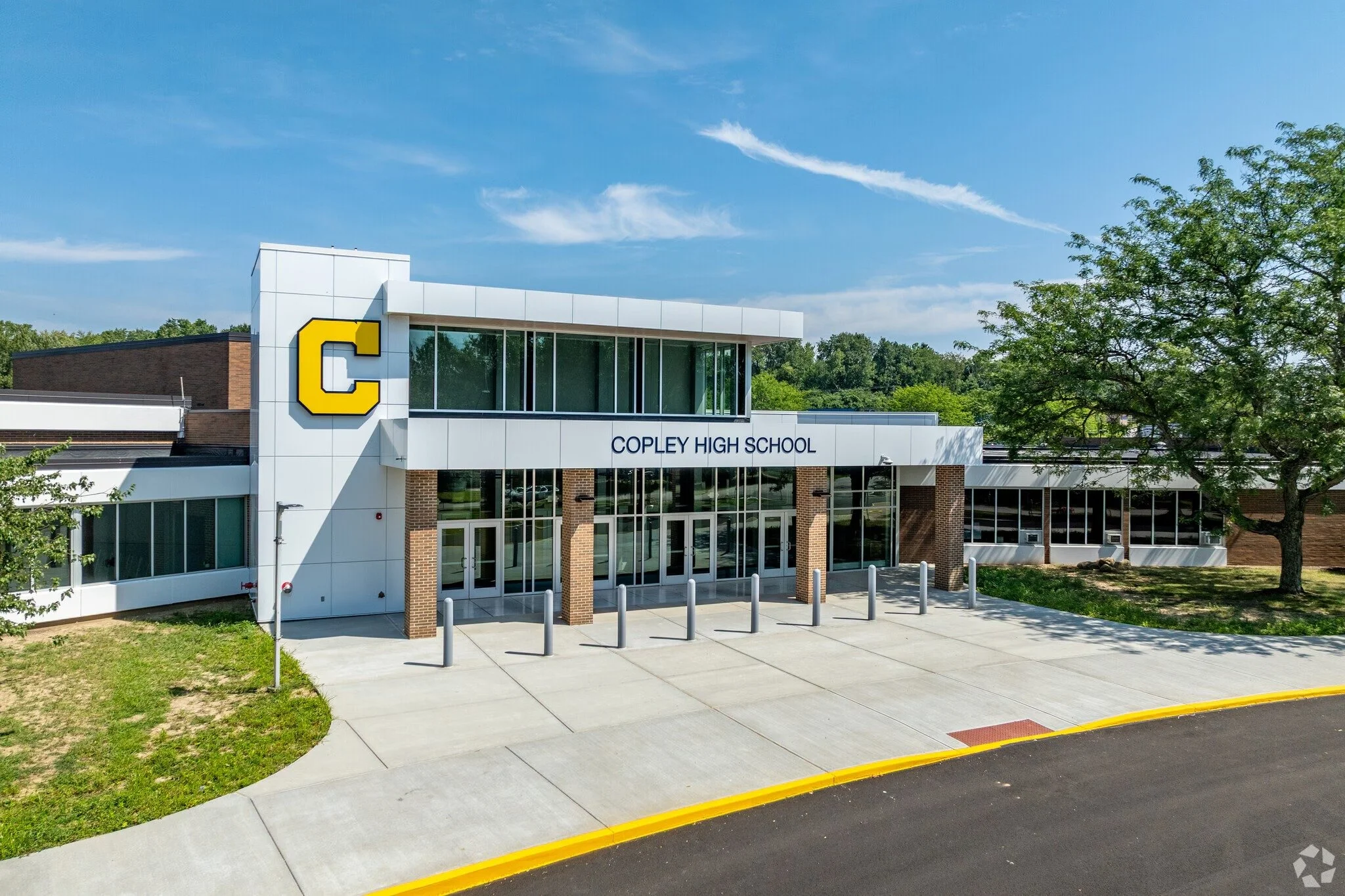
The Copley-Fairlawn Model: Operationalizing TechCred
In the fall of 2025, aiEDU partnered with the Copley-Fairlawn City School District to pioneer a new standard for district-wide innovation.
By leveraging the TechCred program, the district transformed professional development for educators into a high-impact workforce investment. Fifteen teachers and administrators embarked on a rigorous, credential-aligned AI learning experience focused on the responsible and instructional use of AI. Participants built up their own capacity to apply school and state AI policies, use student-facing AI tools in existing curricula, and evaluate AI tools for grading, lesson-planning, modeling, and assessment. The 15 educators also learned how to design learning experiences that enable students to collaborate creatively with AI, use it responsibly, and synthesize interdisciplinary knowledge to solve complex problems.
Our partnership with Copley-Fairlawn demonstrates that TechCred is more than just a funding stream, it’s a vital mechanism for redefining educator learning as essential workforce development.
The Copley-Fairlawn Model now serves as a scalable blueprint for other school districts to catalyze students’ AI readiness and build lasting community trust.
Grounding strategy through local engagement
Across all three phases of Define, Deliver, Catalyze, aiEDU has remained closely connected to educators and school districts. Over the past three years, we have hosted and supported 10 summits and convenings across Ohio in partnership with ESCs and local districts. These gatherings reached thousands of teachers and created space for educators, administrators, and state leaders to engage in open, practice-driven conversations about AI’s impact on teaching and learning.
Insight from these sessions helped inform our toolkit development, training design, and state-level discussions. The feedback loop ensured that Ohio’s AI readiness efforts were shaped by the realities of classrooms and communities across the state.

A systemic model for change
After three years of sustained engagement, aiEDU’s work in Ohio demonstrates how a Define, Deliver, Catalyze strategy can support meaningful, system-wide change.
By working across state leadership, Educational Service Centers, and local districts, Ohio has begun to build a durable foundation for AI readiness that balances coherence with local agency. As other states look for ways to move beyond guidance and toward action, Ohio’s experience offers a practical and replicable model for long-term impact.
Browse By Section
0102030405060708091011